
December 9-11, 2026 • Washington, D.C.
Following the Alzheimer’s Association Research Roundtable.
Hosted by the DIAN Program at WashU Medicine, the DIAN Target Validation Symposium 2026 brings together academic and industry leaders to discuss how insights from autosomal dominant Alzheimer’s disease (ADAD) and broader Alzheimer’s research can advance therapeutic target discovery, validation, and clinical development. Together, participants will outline key scientific priorities and shape the future direction of ongoing DIAN studies.
2026 Speakers
Meet the world-class scientists and thought leaders presenting at this year’s symposium. From advances in genetic validation and biomarkers to novel therapeutic strategies and clinical trial platform insights, our speakers bring unparalleled expertise to the stage.
Topic: ADAD vs. LOAD vs. Down Syndrome
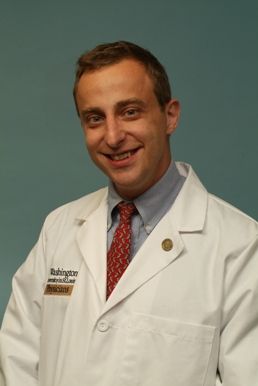
Beau Ances, MD, PhD, MSc, is the Melba and Forest Seay Professor of Clinical Neuropharmacology in Neurology at Washington University in St. Louis, where he also serves as Vice Chair of Faculty Affairs. Dr. Ances is a physician scientist who holds joint appointments in Radiology, Neurosciences, and Biomedical Engineering. His research leverages advanced neuroimaging and fluid biomarkers to map the neuropathogenesis of neurodegenerative disorders, with a transformative focus on the intersection of Down syndrome Alzheimer’s disease (DSAD), autosomal dominant Alzheimer’s disease (ADAD), and late onset Alzheimer’s disease (LOAD). An international leader in clinical initiatives, Dr. Ances serves as the Chair of the Down Syndrome Professional Interest Area for the Alzheimer’s Association and is an active investigator within the Alzheimer’s Biomarker Consortium-Down Syndrome (ABC-DS) where he is site PI, Neuroimaging Core investigator, and Project 1 leader. Work by his team has been instrumental in defining the trajectories of amyloid and tau burden in genetically determined AD, bridging the gap between DSAD, ADAD, and LOAD. He is conducting multiple clinical trials for DS-AD. With over 690 publications, Dr. Ances remains a dedicated mentor and has been repeatedly recognized as a “Top Doctor in Saint Louis”. He maintains a robust clinical practice dedicated to AD, Down syndrome, and complex neuro-infectious conditions.
Topic: DIAN-TU Trials as Human Target-Validation Experiments
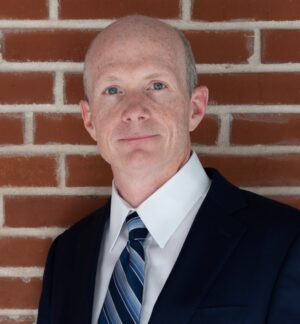
Randall Bateman, MD is the Charles F. and Joanne Knight Distinguished Professor of Neurology, Co-Director of the Dominantly Inherited Alzheimer Network (DIAN), Director of C-BRAIN and Director of the DIAN Trials Unit (DIAN-TU). Dr. Bateman’s research focuses on the pathophysiology and development of improved diagnostics and treatments of Alzheimer’s disease. His lab created the first high-accuracy blood test for Alzheimer’s disease, which is now used clinically. His research in DIAN has provided evidence for a cascade of events beginning decades before symptom onset that leads to AD dementia, supporting the development of Alzheimer’s disease prevention trials. Dr. Bateman directs the DIAN-TU, which launched the first prevention trial in families with early-onset Alzheimer’s disease in 2012. The DIAN-TU trial is an advanced worldwide adaptive trial platform that tests the most advanced therapeutics targeting amyloid and tau in Alzheimer’s disease. The DIAN-TU goal is to slow, stop, or reverse Alzheimer’s disease. The DIAN-TU has launched five drug arms with a range of amyloid-beta and tau-directed drugs including in combination and a primary prevention trial to prevent amyloid plaques from forming. Dr. Bateman has received a number of awards including the Potamkin Prize. He is an elected member of the National Academy of Medicine and is currently serving as the Appointed Chairman of the Research Sub-Committee of the Health and Human Services NAPA Council, the Advisory Council on Alzheimer’s Research, Care, and Services.
Topic: DIAN-TU Trials as Human Target-Validation Experiments
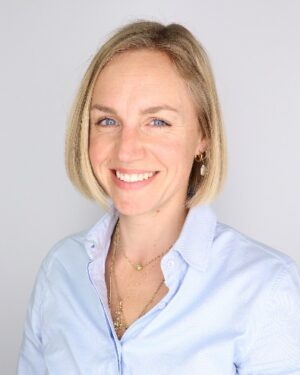
Baayla Boon, MD, PhD, is a Research Associate in the Department of Neuroscience at Mayo Clinic Florida, where she studies the neuropathologic heterogeneity of Alzheimer’s disease, with a particular focus on amyloid-β (Aβ) pathology, cerebral amyloid angiopathy, and the effects of Aβ-targeting immunotherapies. She completed her MD and PhD at Amsterdam UMC, where her work on human postmortem brain tissue led to the discovery and characterization of the coarse-grained Aβ plaque, an underrecognized deposit enriched in young-onset AD. At Mayo Clinic, her research has expanded to treatment-associated neuropathology, including studies demonstrating that anti-Aβ immunotherapy selectively remodels the Aβ landscape, with preferential clearance of diffuse parenchymal Aβ while fibrillar and vascular Aβ can persist. Her current work seeks to understand the molecular, spatial, and neurovascular factors that determine differential Aβ clearance and to relate these postmortem findings to antemortem biomarkers and therapeutic response.
Topic: Disease Heterogeneity: One Disease or Many?
Dr. Chhatwal is an Associate Professor of Neurology at Harvard Medical School and holds the Suzanne Young Murray Endowed Chair in Neurology at Massachusetts General Hospital (MGH) and Brigham and Women’s Hospital (BWH). He cares for patients with neurodegenerative disease in the Memory Disorders Unit at BWH, focusing on early-onset and genetically driven Alzheimer’s disease. Dr. Chhatwal’s research spans molecular, cellular, and systems neuroscience, integrating neuroimaging, electrophysiology, biochemistry, molecular biology, genetics, and machine learning to study genetic, vascular, sleep-related, and inflammatory influences on cognitive decline and Alzheimer’s pathology. His work is supported by the NIH and the Doris Duke Charitable Foundation. He serves as a project and biomarker core leader for the Harvard Aging Brain Study and a project co-leader for the Dominantly Inherited Alzheimer Network Observational Study, and directs the Translational Neuroscience for Neurodegenerative Diseases (Transcend) Laboratory within the Ann Romney Center for Neurologic Disease at BWH. Transcend brings together neuroimaging, clinical, biochemical, and data science expertise to develop biomarkers that clarify disease mechanisms, identify drug targets for early intervention, and accelerate testing of novel therapies.
Topic: Innate and Peripheral Immune Targets
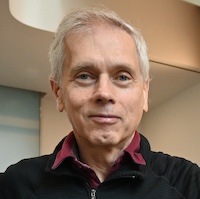
Marco Colonna is a principal investigator in the Center for Computational and Integrative Biology at Massachusetts General Research Institute and an institute member at the Broad Institute of MIT and Harvard. Previously a professor of pathology and immunology at Washington University School of Medicine in St. Louis, he is a member of the US National Academy of Sciences. He received his M.D. from the University of Parma, trained at Harvard Medical School, and was a scientific member of the Basel Institute for Immunology. An immunologist whose discoveries established key principles of innate immune recognition, Colonna has increasingly focused on neuroimmunology and the influence of immune cells on neurodegeneration. His laboratory helped define how TREM2 supports microglial survival, metabolic fitness, and responses to amyloid plaques, providing a mechanistic foundation for TREM2-targeted therapies in Alzheimer’s disease. His team subsequently demonstrated that blocking the inhibitory receptor LILRB4 enhances microglial responses to amyloid and reduces pathology in experimental models. They also developed chimeric antigen receptor astrocytes that recognize and clear amyloid-β, establishing a new approach to engineering glial cells for therapy. Most recently, his laboratory identified a cMAF-dependent program in brain perivascular macrophages that supports endothelial function, cerebrovascular responses, and cerebrospinal fluid flow through IGF1 signaling. This work connects immunity at the brain’s borders with vascular protection and opens new directions for Alzheimer’s research.
Topic: Genetics as a Tool for Target Validation
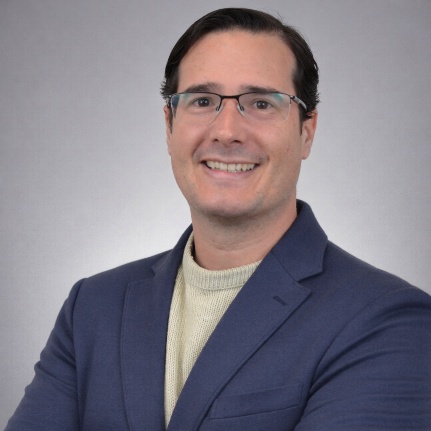
Carlos Cruchaga, Ph.D., is a human genomicist with expertise in multiomics, informatics, and neurodegeneration. He completed his Ph.D. in Biochemistry and Molecular Biology in 2005 at the University of Navarra in Spain. During his first postdoctoral fellowship, he conducted statistical human genetics studies focused on Alzheimer’s disease and Parkinson’s disease, completing his training in quantitative human genomics. Dr. Cruchaga established his laboratory at Washington University in 2011, studying the genetic architecture of neurodegenerative diseases. His interests are focused in using human genomic and other omic data (proteomic, metabolomics, lipidomics) and AI/ML to identify and understand the biological process leading to Alzheimer’s disease, Parkinson’s disease, frontotemporal dementia, and other neurodegenerative processes, with the ultimate goal of identifying novel biomarkers and prediction models as well as to identify novel targets and interventions. In 2019, he became the leader of the NeuroGenomics and Informatics group at Washington University.
Topic: From Target Validation to Therapeutic Readiness
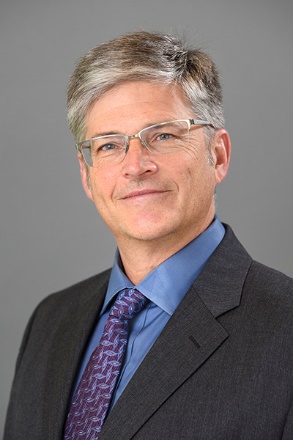
Dr. Jeffrey Dage is a Senior Research Professor of Neurology at Indiana University School of Medicine and primary member of the Stark Neurosciences Research Institute. He received his PhD from the University of Cincinnati in Ohio where he worked in the area of protein characterization using mass spectrometry. Prior to joining Indiana University, he had been in the pharmaceutical industry for 28 years and contributed to many therapeutic discovery programs through analytical measurement of biologically relevant molecules in cell culture, preclinical models, and human clinical samples. His research at Indiana University is focused on the discovery and development of biomarkers for Alzheimer’s disease and related dementias. Over the last several years he led the discovery and development of ultrasensitive immunoassays to measure phosphorylated tau in blood for use in Alzheimer’s disease diagnosis, prognosis, and clinical trials. These blood-based biomarker assays have led to dramatic change in AD research and clinical development.
Topic: Disease Heterogeneity: One Disease or Many?
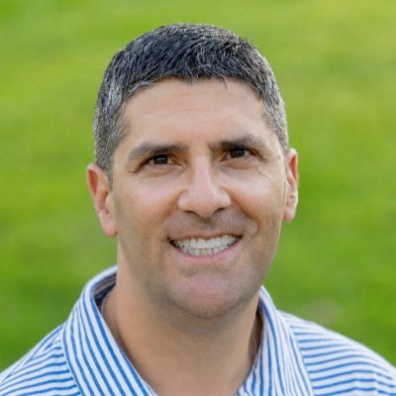
Brian A. Gordon, PhD, is an Associate Professor of Radiology and an investigator in the Neuroimaging Labs Research Center, based in Mallinckrodt Institute of Radiology (MIR) at Washington University School of Medicine in St. Louis. Dr. Gordon’s research focuses on utilizing advanced neuroimaging techniques such as PET and MRI to understand the complex biology of healthy aging and neurodegenerative disorders. He is co-director of the Neuroimaging Core at the Knight ADRC, contributing to a program project studying sporadic AD (P30AG066444). He also serves as site-PI for a R01 performing head-to-head comparisons of multiple tau PET ligands (R01AG073267), a MPI on a R01 examining neuroinflammation (R01AG052550), and a MPI on a R01 (R01AG093763) examining structural and functional similarities in childhood neurodevelopment and late life neurodegeneration. He is a longstanding member of the Dominantly Inherited Alzheimer Network (DIAN, U19AG102728) where he serves as the Co-Lead of the Neuroimaging Core for both the Observational study as well as multiple clinical trials. Beyond NIH funding, his work has been supported by the Alzheimer Association, the National Alzheimer’s Coordinating Center, the Michael J. Fox Foundation, the Longer Life Foundation, the Harvey A. Friedman Center for Aging, the McDonnell Center for Systems Neuroscience, and the American Society for Neuroradiology.
Topic: Vascular Biology, BBB, CAA, and Therapeutic Response

Dr. Steven M. Greenberg, Professor of Neurology at Harvard Medical School, holds the John J. Conway Endowed Chair in Neurology, directs the Hemorrhagic Stroke Research Program, and is Vice-Chair for Faculty Development and Enrichment at Mass General Brigham. Dr. Greenberg has authored over 400 research articles and 100 chapters, reviews, and editorials in the areas of hemorrhagic stroke and small vessel brain disease and serves as Principal Investigator for the NINDS-funded MarkVCID biomarkers consortium coordinating center. He has also served in numerous national and international leadership roles including Co-Chair of the 2025 American Heart Association ARIA Summit, Co-Principal Investigator for the NINDS DISCOVERY network on post-stroke cognition, Chair of the International CAA Association, Chair of the 2022 American Heart Association Guidelines for Spontaneous Intracerebral Hemorrhage Writing Group, and chair of the 2013 and 2014 American Heart Association International Stroke Conferences. Among Dr. Greenberg’s many awards and named lectureships are the 2024 Harvard Medical School William Silen Lifetime Achievement in Mentoring Award and the 2017 American Heart Association Feinberg Award for Excellence in Clinical Stroke.
Topic: Genetics as a Tool for Target Validation
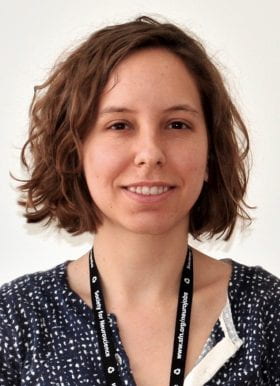
Dr. Karch is a Professor of Psychiatry at Washington University School of Medicine. The goal of the Karch lab is to understand the molecular drivers of Alzheimer’s disease, frontotemporal dementia, and other neurodegenerative diseases. To do this, the Karch lab uses functional genomics alongside stem cell and mouse models. The Karch lab has developed a somatic and stem cell collection containing deeply clinically characterized cell lines from individuals carrying genetic drivers of Alzheimer’s disease, frontotemporal dementia, amyotrophic lateral sclerosis and Parkinson’s disease. These cells are used to develop novel tools to interrogate mechanisms of neurodegenerative disease. Additionally, the Karch lab couples high-throughput transcriptomics and proteomics in stem cells and human brain tissues to identify disease signatures and to understand protein kinetics in disease. Dr. Karch is the Knight ADRC Biomarker Core leader and the Scientific Director of the Dominantly Inherited Alzheimer Network (DIAN). In 2021, she was awarded the Rainwater Prize for Innovative Early Career Scientist.
Topic: Disease Heterogeneity: One Disease or Many?
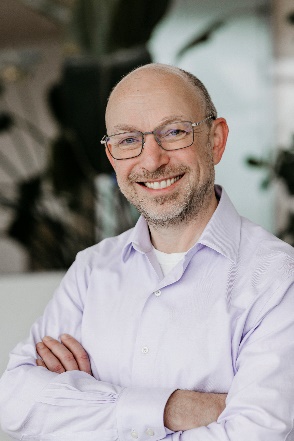
Geoffrey A. Kerchner, MD, PhD, is a neurologist and neuroscientist serving as Vice President and Global Head of Neurodegeneration at F. Hoffmann-La Roche, Ltd., in Basel, Switzerland, where he oversees all late-stage clinical development efforts in Alzheimer’s, Parkinson’s, and Huntington’s diseases. Over his career, Dr. Kerchner has contributed to the fight against Alzheimer’s disease as a basic scientist, a clinical neuroimaging scientist, a clinician, a patient advocate, and a clinical trial site investigator before moving to Genentech/Roche in 2015. There, he led clinical development teams for semorinemab and gantenerumab, among other programs, before moving into leadership positions, first as VP and Head of Early Development in Neuroscience and Rare Diseases and then in his current role. Dr. Kerchner studied at Harvard College (AB summa cum laude), Washington University School of Medicine (MD, PhD), and UCSF (residency and fellowships), and served on the faculty at Stanford University School of Medicine.
Topic: Target Timing, Sequencing, and Combination Therapy
Lynn D. Kramer, M.D., FAAN, is Chief Clinical Officer, DHBL (Deep Human Biology Learning) at Eisai and a member of the Eisai Co., Ltd. Executive Committee. In these roles, he oversees the product creation cycle, including clinical introduction and regulatory approval of innovative projects for all Eisai products. Dr. Kramer, who has been with Eisai since 2007, has held several positions: Executive Vice President of Global Clinical Research, President of the Scientific and Operational Clinical Support Core Function Unit (SOCS CFU), and President of the Neuroscience Product Creation Unit. He was named Chief Clinical Officer and a member of the Executive Committee, Eisai Company, Ltd. in 2012. In these functions, he has been responsible for all functions including regulatory, biostatistics, data management, medical writing, clinical functions, and clinical pharmacology and modeling/simulations. During this time, he has overseen the development and regulatory approval of several new molecular entities including Leqembi. Earlier in his career, he held senior positions in drug development including serving as Vice President Clinical Research and Head of the Therapeutic Area Strategy Team at Novartis, and Vice President Clinical Research at the R.W. Johnson Pharmaceutical Research Institute. Prior to his industry career, he was Co-PI of a National Institutes of Health (NIH) sponsored epilepsy-focused program project in Los Angeles, California. Dr. Kramer is a Fellow of the American Board of Psychiatry and Neurology (1987) and the Philadelphia College of Physicians (1987). He previously served as the industry representative on the Peripheral and Central Nervous System Drugs Advisory Committee of the Food and Drug Administration (FDA) and on the Board of Directors at American Society for Experimental Neuro Therapeutics (ASENT). He currently is a member of the Pharma R&D Leadership Forum. In 2022, he became the 12th recipient of the Epilepsy Foundation’s Lifetime Accelerator Award and was selected as one of global TIME100 Health Pioneers. Dr. Kramer received his M.D. from Hahnemann Medical College, completed his internship in internal medicine at UC Irvine, and his residency in neurology at the University of Virginia. He was recently awarded an honorary Doctor of Science degree by Lycoming College.
Topic: ADAD vs. LOAD vs. Down Syndrome
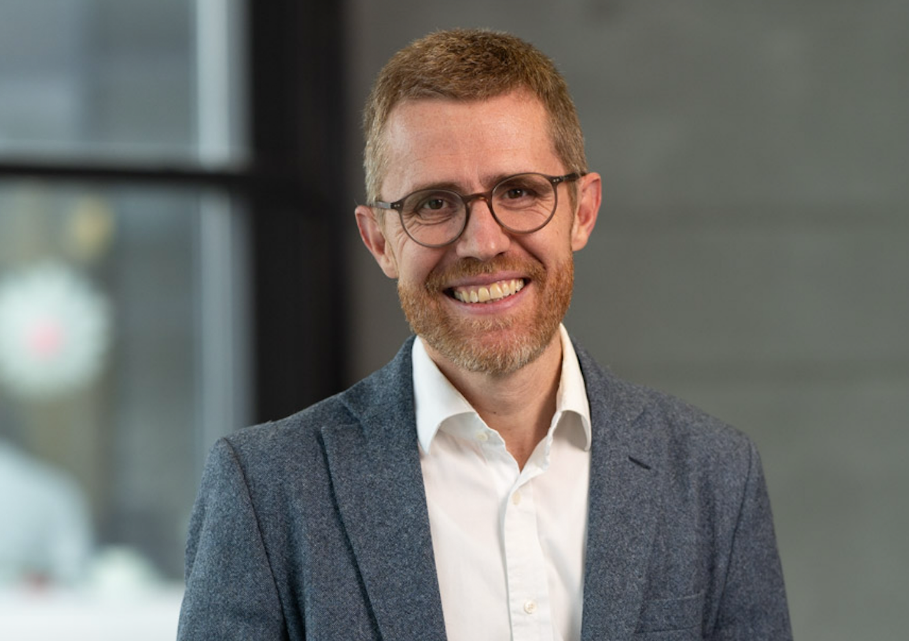
Johannes Levin, MD, is Professor of Clinical Neurodegeneration at Ludwig-Maximilians-Universität (LMU) Munich and Coordinator of Clinical Research at the German Center for Neurodegenerative Diseases (DZNE) in Munich. He also serves as Chief Medical Officer of MODAG GmbH, where he contributes to the translational and clinical development of disease-modifying therapies and novel diagnostic tools for neurodegenerative diseases. His clinical and translational research focuses on dominantly inherited Alzheimer’s disease, molecular biomarkers, and biomarker-guided therapeutic development. He is a member of the DIAN Steering Committee and has been involved in DIAN and DIAN-TU activities in Munich for many years. His work integrates longitudinal clinical phenotyping, fluid biomarkers, molecular imaging, and interventional studies to better understand disease progression and enable earlier, mechanism-based treatment.
Topic: ADAD vs. LOAD vs. Down Syndrome
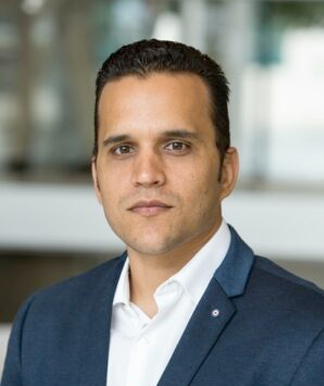
Dr. Jorge Llibre is a behavioral neurologist and physician-scientist whose work bridges clinical trials, biomarker research, and global health to advance dementia prevention. He serves as Clinical Core Leader of the Dominantly Inherited Alzheimer Network (DIAN) and Medical Director of the DIAN Trials Unit (DIAN-TU) at Washington University in St. Louis, where he provides safety oversight and scientific guidance for a global portfolio of Alzheimer’s disease prevention and treatment trials. Dr. Llibre has experience in the design, implementation, and clinical operations of early-intervention and biomarker-driven trials, including those evaluating amyloid- and tau-targeting therapies and next-generation mechanisms for autosomal dominant Alzheimer’s disease (ADAD). His research focuses on gene-environment interactions, resilience mechanisms, and life-course factors that influence Alzheimer’s disease onset and progression by integrating data from large international cohorts such as DIAN, the 10/66 Dementia Research Group, and emerging Latin American initiatives. His work, supported by the NIH, Alzheimer’s Association, and Michael J. Fox Foundation, continues to inform the design of prevention strategies and promote access in dementia research worldwide.
Topic: Target Timing, Sequencing, and Combination Therapy
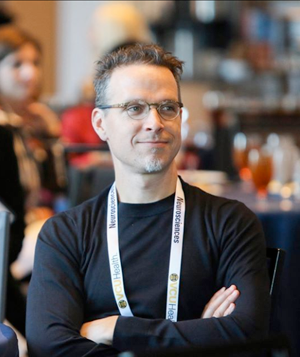
Eric McDade, DO, is the Barbara Burton and Reuben M. Morriss III Professor of Neurology at Washington University School of Medicine in St. Louis. His research interests include the application of cerebrospinal fluid and neuroimaging measures to identify early pathology of Alzheimer’s disease with the ultimate goal of identifying early markers of Alzheimer’s disease progression that can be used in testing disease-modifying therapies. Dr. McDade serves as Director of the Dominantly Inherited Alzheimer Network Observational Study (DIAN Obs), and Co-Director of the DIAN Trials Unit (DIAN-TU), where he and his colleagues are using a global, natural history study to develop prevention trials in Dominantly Inherited AD. As part of this work, he has co-led an initiative to comprehensively study the changes of soluble tau-related biomarkers and is the Principal Investigator of the first-ever primary prevention trial in familial Alzheimer disease, which will test whether preventing the development of amyloid plaques will prevent the development of dementia in those with a genetic form of Alzheimer’s disease that leads to young-onset dementia.
Topic: Vascular Biology, BBB, CAA, and Therapeutic Response
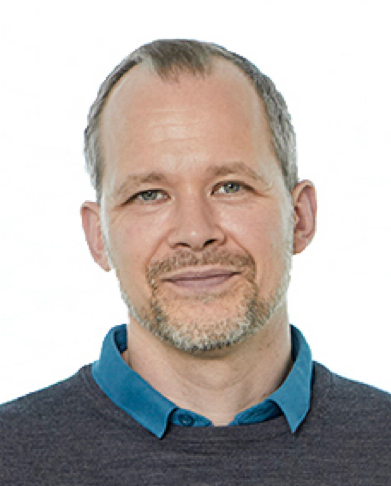
Jonas Neher studied chemistry and neurobiology in Germany and Ireland before receiving a Gates Cambridge Scholarship to pursue his PhD at the University of Cambridge, where he investigated the role of microglia in acute neurodegeneration. He subsequently held a Roman Herzog Postdoctoral Fellowship at the Hertie Institute for Clinical Brain Research, studying microglia in Alzheimer’s disease. He became an independent group leader in 2015 and joined DZNE Tübingen in a tenured position in 2017. In 2023, he was appointed Professor and Chair of Biochemistry at LMU Munich. His research focuses on innate immune memory in the brain, its role in neurodegeneration, and the effects of amyloids on cerebrovascular dysfunction in aging and Alzheimer’s disease.
Topic: Targeting Tau: Clinical Evidence, Safety, and the Path Forward
Topic: Target Timing, Sequencing, and Combination Therapy
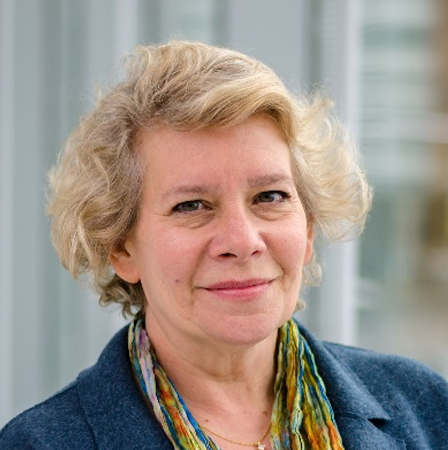
Dr. Reisa Sperling is a neurologist focused on the detection and treatment of Alzheimer’s disease (AD) at the earliest possible stage, even before clinical symptoms are apparent. Dr. Sperling is a Professor in Neurology at Harvard Medical School, and the Director of the Center for Alzheimer Research and Treatment (CART) at Brigham and Women’s Hospital and Massachusetts General Hospital. Dr. Sperling is the co-Principal Investigator (with her husband Keith Johnson) of the NIH funded Harvard Aging Brain Study. Dr. Sperling chaired the 2011 NIA-Alzheimer’s Association workgroup to develop guidelines for the study of “Preclinical Alzheimer’s disease,” and co-led the workgroup that defined “Amyloid Related Imaging Abnormalities (ARIA) the same year. She co-led the Anti-Amyloid Treatment in Asymptomatic Alzheimer’s disease (A4) Study, the first prevention trial is sporadic preclinical (“presymptomatic”) AD, and the companion LEARN Study, and has made the A4/LEARN longitudinal data publicly available to researchers from around the world. Dr. Sperling co-leads the NIH funded Alzheimer’s Clinical Trial Consortium (ACTC), and the public-private partnership AHEAD 3-45 Study prevention trials, testing targeted dosing of lecanemab in early and late stages of preclinical AD. Dr. Sperling has long sought to change the way the scientific community and the public thinks about AD, generating compelling evidence that there is a long preclinical phase of the disease, marked by the accumulation of early AD pathology and gradual cognitive decline that begins more than a decade prior to clinically evident impairment. Her foundational work combines molecular PET imaging of amyloid and tau pathology and innovative neuropsychological measures to predict and track cognitive decline. She has made seminal contributions to the design of disease-modifying trials across the spectrum of AD, including work to understand and reduce the risk of ARIA, and the importance of treating much earlier in the pathophysiological process of AD. Dr. Sperling also works on understanding the interaction of vascular disease with AD pathology, including the impact of vascular risk on tau accumulation. Her most recent studies expand into plasma biomarkers and smart phone cognitive assessments, working towards future combination prevention trials. Dr. Sperling received the 2015 Potamkin Prize from the American Academy of Neurology, the 2018 Raymond Adams Lectureship Award from the American Neurological Association and was elected to the National Academy of Medicine in 2021.
Topic: Innate and Peripheral Immune Targetsx
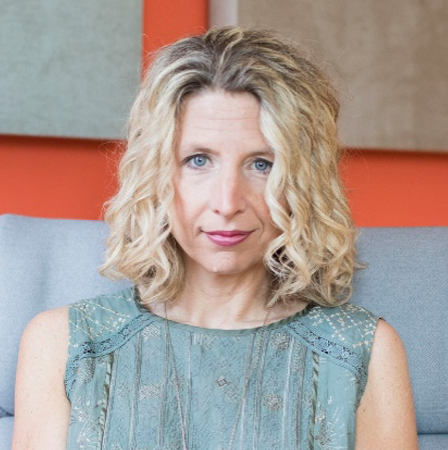
Beth Stevens, PhD, is an Investigator at the Howard Hughes Medical Institute, Professor of Neurology at Harvard Medical School, member of the F.M. Kirby Neurobiology Research Program at Boston Children’s Hospital, and Institute Member at the Broad Institute of Harvard and MIT. Stevens received her PhD in Neuroscience from the University of Maryland, College Park, and completed her postdoctoral fellowship at Stanford University School of Medicine with the late Ben Barres. Since then, she has made seminal contributions to our understanding of microglia, complement, and developmental mechanisms that shape synapse and neural circuit plasticity and vulnerability across aging and disease. A major focus of her research is to define conserved neuroimmune mechanisms that contribute to disease risk and resilience in Alzheimer’s disease, Parkinson’s disease, and other neurodegenerative disorders. Dr. Stevens has adopted an interdisciplinary approach integrating genetics, immunology, and neuroscience to uncover disease mechanisms, identify therapeutic targets, and develop mechanistic biomarkers. Stevens is Director of the NIH/NIMH Conte Center for Neuroimmune Studies at Boston Children’s Hospital/Harvard Medical School, the Endowed Research Chair of the Lavine Family Foundation, and an Elected Member of the National Academy of Sciences. She is the recipient of several awards, including the Smith Family Award for Excellence in Biomedical Research, Dana Foundation Award, Gill Center Transformative Research Award, National Alliance on Mental Illness (NAMI) Research Award, and the Presidential Early Career Award for Scientists and Engineers (PECASE).
Research Interests: Synapse biology; neuroimmune interactions; microglia and glial biology; genetic mechanisms of disease risk and resilience.
Topic: From Target Validation to Therapeutic Readiness
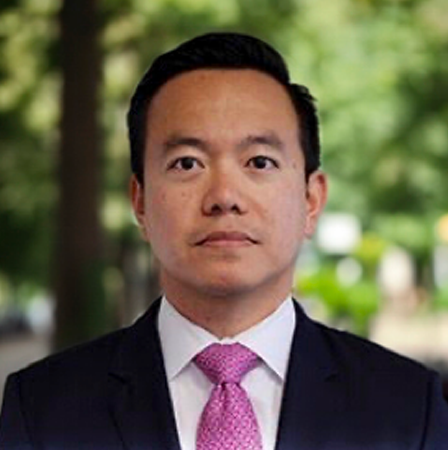
Richard Tsai, MD, MBA, is an Executive Medical Director in Clinical Development at Denali Therapeutics, where he provides clinical leadership across neurodegeneration programs. He works across preclinical, translational, and development teams to advance novel therapeutics into the clinic through first-in-human and proof of concept studies. His work focuses on developing novel therapies for Alzheimer’s disease and related neurodegenerative disorders, including frontotemporal dementia and amyotrophic lateral sclerosis. He has also served on planning committees for NIH initiatives, including the Alzheimer’s Disease-Related Dementias (ADRD) Summit.
Prior to joining Denali, Dr. Tsai was Assistant Professor of Neurology and Associate Director of the Alzheimer’s Disease and Frontotemporal Dementia Clinical Trials Program at the UCSF Memory and Aging Center, where his work focused on imaging biomarkers and therapeutic development under the mentorship of Drs. Adam Boxer and Gil Rabinovici.
Dr. Tsai received his undergraduate degree in Biochemistry from the University of California, Berkeley, and a joint MD/MBA from Drexel University. He completed his neurology residency at Albert Einstein College of Medicine, where he served as Chief Resident, followed by fellowship training in Behavioral Neurology at UCSF.
Topic: Innate and Peripheral Immune Targets
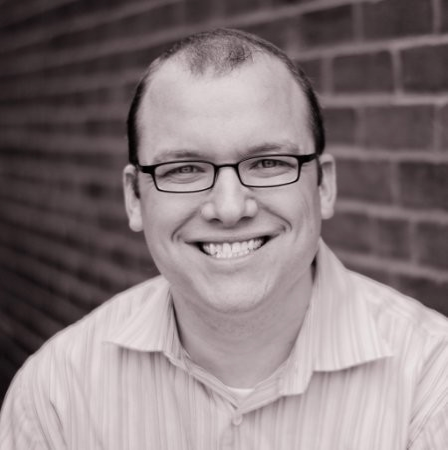
Dr. Ulrich is a Professor of Neurology at Washington University in St. Louis in the lab of Dr. David Holtzman, where his focus is to advance the understanding of neurodegenerative diseases associated with dementia, particularly Alzheimer’s disease, and to develop new therapies to treat or prevent dementia. Dr. Ulrich obtained BS degrees in Biological Sciences and Chemistry (summa cum laude) from Quincy University in Quincy, IL, in 2004 and a PhD in Pharmacology from the University of Iowa in 2011. From 2012 to 2015, he was a postdoctoral fellow in the lab of Dr. David Holtzman at Washington University, where he studied the role of TREM2 and APOE in Alzheimer’s disease. Since 2015, he has worked with Dr. Holtzman as a faculty member in the Department of Neurology to investigate the role of APOE and the immune system in Alzheimer’s disease and tau-dependent neurodegeneration.
Topic: Vascular Biology, BBB, CAA, and Therapeutic Response
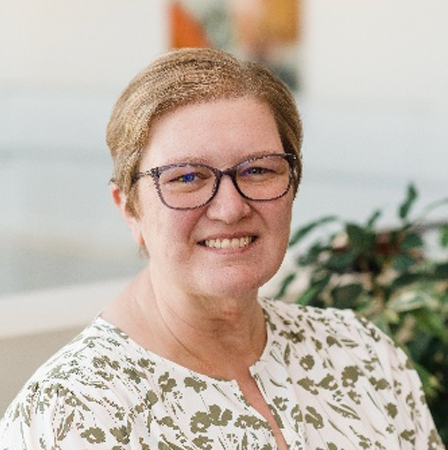
Donna Wilcock, PhD, is a professor of neurology, Director of the Center for Neurodegenerative Disorders at Indiana University School of Medicine, and Co-Director of the Indiana University Neuroscience Institute. She is also the Barbara and Larry Sharpf Professor in Alzheimer’s Disease Research, a member of Stark Neurosciences Research Institute, and an Associate Director of the Indiana Alzheimer’s Disease Research Center (IADRC). Dr. Wilcock’s research focuses on the intersection of Alzheimer’s disease and vascular cognitive impairment and dementia. Using mouse models and patient samples, Dr. Wilcock is exploring the role of neuroinflammation and dysregulated angiogenesis in VCID. She oversees the Indiana University Brain Health Program, a Statewide program for primary care screening and detection of Alzheimer’s disease and coordinated delivery of amyloid-targeted therapies by memory disorder specialists. In addition, she has several active projects exploring the underlying mechanisms of beta-amyloid immunotherapy-related ARIA, leveraging patient samples and data, as well as mouse models. Her research is funded by the NINDS and NIA.
Symposium Agenda
Day 1: December 10, 2026
| Time | Topic/Event | Moderator | Presenters | Additional Panelists |
|---|---|---|---|---|
| 8:30am | Welcome / Opening Remarks | |||
| 8:45am | Genetics as a Tool for Target Validation | Alison Goate, DPhil | Carlos Cruchaga, PhD (WashU Medicine) Celeste Karch, PhD (WashU Medicine) | Lucia Chavez-Gutierrez, PhD |
| 10:30am | Innate and Peripheral Immune Targets | Celeste Karch, PhD | Marco Colonna, MD (Harvard) Jason Ulrich, PhD (WashU Medicine) Beth Stevens, PhD (Harvard) | Jim Ray, PhD |
| 1:00pm | Disease Heterogeneity: One Disease or Many? | Stephanie Schultz, PhD | Brian Gordon, PhD (WashU Medicine) Jasmeer Chhatwal, MD, PhD (Harvard) Geoffrey Kerchner, MD, PhD (Roche) | Reisa Sperling, MD Tammie Benzinger, MD, PhD Eric Reiman, MD |
| 2:45pm | ADAD vs. LOAD vs. Down Syndrome | Gil Rabinovici, MD | Jorge Llibre-Guerra, MD (WashU Medicine) Beau Ances, MD, PhD, MSc (WashU Medicine) Johannes Levin, MD (LMU Munich / DZNE) | Chengjie Xiong, PhD Suzanne Schindler, MD, PhD Elizabeth Head, PhD Michael Rafii, MD, PhD Michael Irizarry, MD, MPH |
| 4:15pm | Target Timing, Sequencing, and Combination Therapy | Randall Bateman, MD | Eric McDade, DO (WashU Medicine) Reisa Sperling, MD (Harvard / BWH / MGH) Lynn Kramer, MD, FAAN (Eisai) | Jason Hassenstab, PhD Kevin Krudys, PhD |
| 5:15pm | Closing Remarks | |||
Day 2: December 11, 2026
| Time | Topic/Event | Moderator | Presenters | Additional Panelists |
|---|---|---|---|---|
| 8:30am | Welcome / Opening Remarks | |||
| 8:40am | Targeting Tau: Clinical Evidence, Safety, and the Path Forward | Matthew Barton, PhD | Kaycee Sink, MD, MAS (Biogen) | Kristin Wildsmith, PhD Nico Barthelemy, PhD |
| 10:25am | Vascular Biology, BBB, CAA, and Therapeutic Response | Tammie Benzinger, MD, PhD | Donna Wilcock, MD (Indiana Univ) Steve Greenberg, MD (Harvard) Jonas Neher, PhD (LMU Munich / DZNE) | Monica Xiong, PhD Costantino Iadecola, MD |
| 12:40pm | From Target Validation to Therapeutic Readiness | — | Richard Tsai, MD, MBA (Denali Therapeutics) Jeff Dage, PhD (Indiana Univ) | Alan Levey, MD, PhD Betty Tijms, PhD Geoffrey Kerchner, MD, PhD |
| 1:40pm | DIAN-TU Trials as Human Target-Validation Experiments | Jorge Llibre-Guerra, MD | Randall Bateman, MD (WashU Medicine) Baayla Boon, MD, PhD (Mayo Clinic) | Scarlett Barker, PhD Carlos Cruchaga, PhD Richard Perrin, MD, PhD Shobha Dhadda, PhD |
| 2:55pm | Closing Roundtable: What Should We Target Next? | — | Panel Discussion: DIAN Family Members | — |
| 3:45pm | Closing Remarks | |||
Questions?
Email the administration at
Neuro-DIANCoordinatingCenter@email.wustl.edu
Please note: Our symposiums are an internal event and is not open to the public. Our symposium forum will occur every three years.