Skip to content Skip to search Skip to footer
WashU Medicine

Dominantly Inherited Alzheimer Network (DIAN)

Menu
  • Join the Registry
    • Individuals & Families
    • Researchers & Health Professionals
  • For Families
    • Genetic Counseling & Testing
    • Family Conferences
    • Video Gallery
    • Family Voices
    • DIAN in Latin America
    • EXR Newsletter
    • Webinars
    • Resources
    • Brain Donation
    • Message from Our Directors
  • Observational Study
    • Obs Study Sites
    • Study Description
    • Participation
    • Procedures
    • Advisory & Steering Committee
    • Funding: DIAN Obs Study
  • Clinical Trials
    • TU Participating Sites
    • Primary Prevention Trial
    • Secondary Prevention Trial
    • Research Updates
    • Funding
    • DIAN-TU History
  • Our Research
    • For Investigators
    • Our Collaborators
    • Research Fellows
    • DIAN Symposium
    • Pharma Consortium
    • Publications
    • Latin America Expansion
  • About us
    • The DIAN Team
    • Committees
    • Contact
  • News & Updates

Category: News

Predicting cognitive decline in Alzheimer’s (Links to an external site)

March 31, 2025April 3, 2025
(Photo: Getty Images)

New tests of blood and spinal fluid can show how far Alzheimer’s has progressed and how fast a patient’s memory will decline.
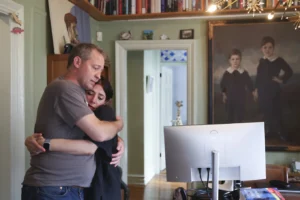
Researchers find a hint at how to delay Alzheimer’s symptoms. Now they have to prove it (Links to an external site)

March 20, 2025March 21, 2025

Small study hints anti-amyloid therapy may keep Alzheimer’s symptoms at bay in certain patients (Links to an external site)

March 20, 2025March 21, 2025

For the first time, scientists say, they have evidence that using a biologic drug to remove sticky beta amyloid plaques from the brains of people destined to develop Alzheimer’s dementia can delay the disease.
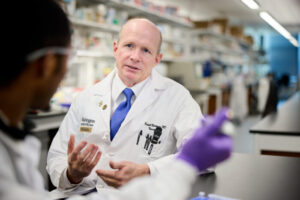
Anti-amyloid drug shows signs of preventing Alzheimer’s dementia (Links to an external site)

March 20, 2025March 21, 2025

Clinical trial of people destined to develop early-onset Alzheimer’s disease shows eliminating amyloid from brain may prevent symptoms, supports need for confirmatory studies

Scientists Announce Possible Breakthrough in Delaying Alzheimer’s (Links to an external site)

March 19, 2025March 21, 2025

Research announced today is the first of its kind to suggest that anti-amyloid drugs can delay or even stop the progression of symptoms in people with early-onset Alzheimer’s.


His genes forecast Alzheimer’s. His brain had other plans. (Links to an external site)

February 12, 2025February 14, 2025

Patient defies genetic fate to avoid Alzheimer’s (Links to an external site)

February 10, 2025February 14, 2025

Study offers clues to treatment, prevention
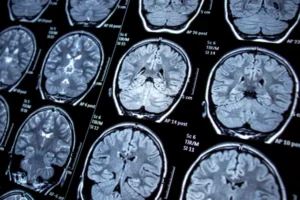
Can a Drug Prevent Alzheimer’s Disease Decades Before It Happens? (Links to an external site)

February 6, 2025February 14, 2025

Scientists are testing an experimental anti-amyloid antibody in people expected to develop early-onset Alzheimer’s.

International Alzheimer’s prevention trial in young adults begins (Links to an external site)

February 4, 2025February 4, 2025

WashU Medicine-led trial evaluating investigational drug from Eli Lilly and Company aims to stop disease before symptoms arise

New drug targets for Alzheimer’s identified from cerebrospinal fluid (Links to an external site)

November 14, 2024December 11, 2024
(Photo: Getty Images)

Study pegs certain cellular activities to driving Alzheimer’s disease. Researchers at Washington University School of Medicine in St. Louis have linked disease-related proteins and genes to identify specific cellular pathways responsible for Alzheimer’s genesis and progression.

Posts navigation

Previous Page
2 of 16
Next Page

DIAN

Dominantly Inherited Alzheimer Network

WashU Medicine

660 S. Euclid Ave.

Campus Box 8111

St. Louis, MO 63110


Contact Us

Links

  • Investigator Resources
  • Current Participating Sites
  • DIAN Research Updates

Make a Difference

Your thoughtful contribution enables us to continue researching possible treatments and ultimately cures for this devastating disease.

DONATE

©2026 Washington University in St. Louis